

If you ask a dentist about yellow teeth and professional whitening, the honest answer depends on what’s causing the discoloration. Tooth discoloration is one of the most common concerns patients bring to the dentist. Teeth can look dull or stained after years of coffee, tobacco, or simple aging.
Options range from a $10 box of strips to a several-hundred-dollar appointment. That price gap reflects real differences in the whitening agents used and the type of staining they can actually treat. Professional treatments use stronger bleaching agents, apply them under supervision, and reach discoloration that drugstore whitening products can’t address. Here’s what separates the two approaches.
Key Takeaways
- Professional in-office teeth whitening uses bleaching agents at concentrations not available in drugstore products and applies them with custom-fitted trays shaped to your teeth.
- Whitening strips and other at-home products work on mild surface stains but can’t address intrinsic discoloration, and they carry side effect risks when used without guidance.
- Patients with gum disease, tooth decay, or crowns and veneers need a dental exam first, because those conditions directly affect whether whitening is safe or effective.
- For most patients, professional whitening delivers faster, longer-lasting results than any at-home option.
- Get answers to the most common questions about professional whitening, sensitivity, and how long results last.
How Professional In-Office Teeth Whitening Works
Professional in-office teeth whitening works differently from at-home products at the chemistry level, not just in how it’s applied. Results depend heavily on concentration and treatment time. In general, higher concentrations lift tooth color faster than lower concentrations.
The bleaching agents used in a dental clinic reach concentrations that aren’t available in over-the-counter whitening products. That’s why results differ so much.
The Whitening Process, Step by Step
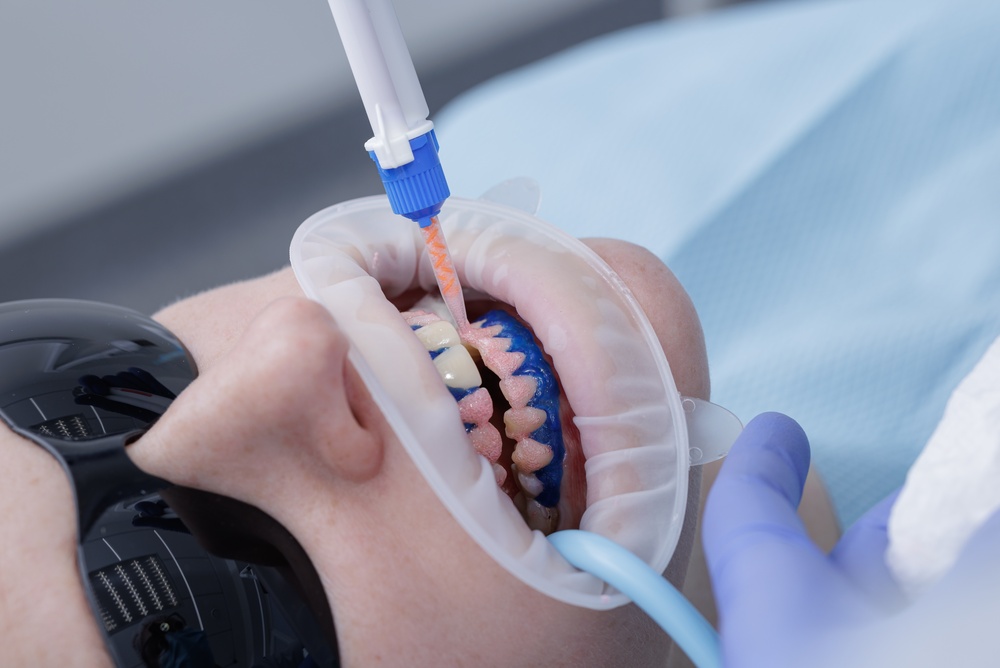
A dental professional follows a set sequence to protect your gums before the bleaching gel touches your teeth:
- Providers apply a buffer gel along the gum line to reduce irritation.
- Providers apply the bleaching gel, containing hydrogen peroxide or carbamide peroxide, to the tooth surface.
- Dental tools or custom-fitted whitening trays hold the gel in place.
- Some systems add light or heat activation to speed up the process.
Skipping any of these steps raises the risk of gum irritation or an uneven shade match.
What whitening agents are actually used?
Hydrogen peroxide gel and carbamide peroxide are the two whitening agents used in clinical settings. Once applied, carbamide peroxide breaks down into hydrogen peroxide and urea. Both compounds work as a bleaching agent through the same mechanism.
The peroxide gels used in a dental office reach concentrations that OTC whitening products aren’t formulated to match.
That concentration gap explains why professional whitening can produce results in one appointment. Whitening strips may take weeks to approach the same result. We offer professional tooth whitening treatments like Zoom!® whitening as part of our cosmetic dentistry services. It applies a high-concentration hydrogen peroxide gel in short intervals.
Many dental offices use light-activated methods, including LED technology. Research on whether light improves the final shade is still developing.
Why In-Office Whitening Delivers Faster Results
- Custom-fitted trays shaped to your specific teeth for even contact
- A dental professional overseeing every step of the appointment
- Clinical-strength bleaching gel not sold directly to consumers
- One visit instead of weeks of daily at-home application
Professional Whitening vs. At-Home Treatments: What’s the real difference?
Whitening solutions vary widely, and outcomes differ greatly from one brand to another in independent testing of at-home kits. The differences between professional and at-home options come down to three things. Concentration, fit, and the type of staining they can treat all matter.
At-Home Whitening Options
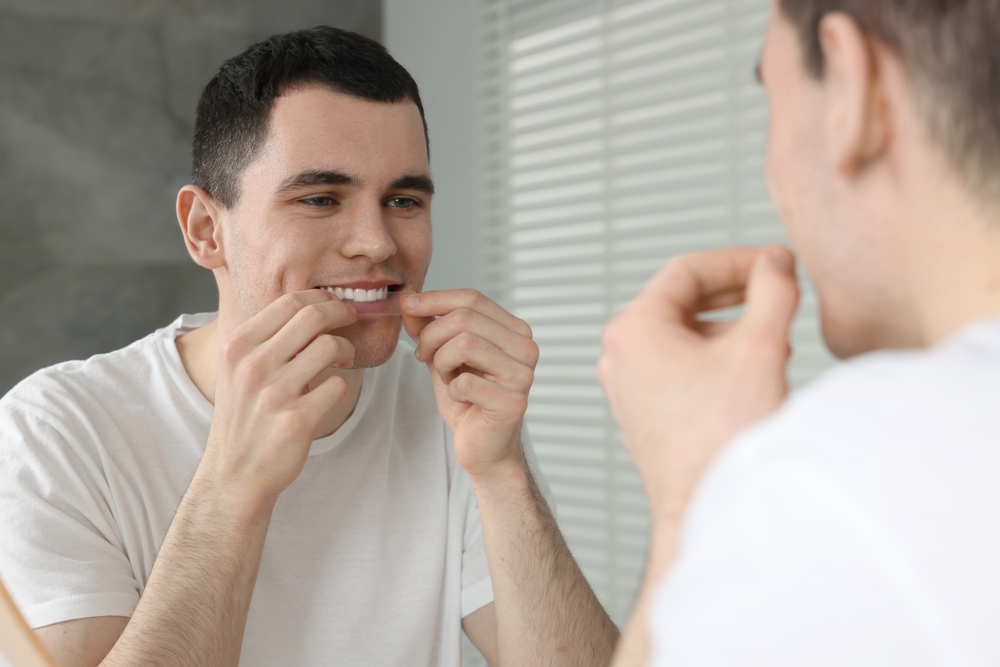
- Whitening strips: thin, flexible strips coated with a low-dose peroxide gel
- Whitening toothpastes: mild abrasives paired with low-concentration bleaching agents for surface stains
- Whitening gel pens: brush-on application, often used for touch-ups
- Whitening trays: boil-and-bite trays sold without a custom fit
At-home whitening products use the same peroxide chemistry as professional treatments, just at a much lower dose. Manufacturers formulate OTC whitening products at concentrations safe enough to sell without a prescription. That’s also why they work more slowly.
Extrinsic vs. Intrinsic Discoloration
The type of tooth discoloration you have matters here. Extrinsic surface stains sit on the outer enamel and come from food, drinks, and tobacco products. Whitening strips and whitening toothpastes can reduce these over time.
Intrinsic discoloration is different. It develops inside the tooth structure from aging, certain medications, or trauma. At-home treatments rarely make a visible difference with intrinsic staining. In-office treatments using higher-concentration peroxide gels are better positioned to address it.
Common Side Effects to Know
- Tooth sensitivity: the most common complaint. Researchers found it’s experienced in 15-78% of patients undergoing external bleaching, though most cases resolve quickly
- Gum irritation: happens when bleaching products touch soft tissue, more common with poorly fitted OTC trays
- Enamel erosion: a more serious risk tied to overusing whitening products without supervision
- Temporary tooth sensitivity: usually fades within a day or two after in-office treatment
Do natural remedies actually whiten teeth?
Coconut oil pulling, baking soda, and activated charcoal show up constantly in home whitening advice. Some have real testing behind them. In lab comparisons against professional systems, researchers found that activated charcoal and baking soda also showed significant whitening effects. The results were milder than professional bleaching, though.
Oil pulling and similar folk remedies have far less evidence. They shouldn’t replace dental cleaning. Talk to your cosmetic dentist first if you want a reliable shade match.
Custom Trays and Maintenance
Some dental offices provide custom tray home use after an in-office appointment. Providers make these custom trays from an impression of your teeth, so they fit far more precisely than any boil-and-bite option. Providers sometimes suggest fluoride toothpaste and fluoride gel afterward to ease sensitivity and support enamel recovery. These products maintain results; they don’t whiten teeth on their own.
[IMAGE PLACEMENT intent=”dentist reviewing patient’s oral health chart before recommending whitening” type=”section” avoid=”needles, blood, scary dental tools, graphic clinical close-ups”]
Who should see a dental professional before whitening?
A dental professional is the right first stop before whitening, even for patients who don’t yet suspect a problem. Whitening eligibility studies commonly exclude patients with (caries, periodontal disease, or any other infectious source https://clinicaltrials.gov/study/NCT04013659 in the mouth. This shows how much these conditions affect safety and results.
Conditions That Need Treatment First
- Active gum disease: bleaching agents can be irritants and potentially caustic to soft tissues when gums are already inflamed
- Tooth decay: about one in four adults ages 20-44 has untreated dental caries. Peroxide entering an untreated cavity can irritate the nerve
- Dental restorations: crowns, veneers, and bonding don’t change color and can end up mismatched
- Dental implants: carry the same shade limitation as restorations
What a Dental Exam Includes
The American Dental Association recommends a dental exam before any whitening treatment. A clinical exam can help identify factors contributing to tooth discoloration before treatment starts. That checkup identifies active conditions that need treatment first. It also establishes a baseline shade and confirms your oral hygiene habits support a good outcome.
A typical exam for whitening covers:
- A check for cavities and gum health
- A review of any existing dental restorations
- A dental cleaning to remove plaque buildup and tartar buildup that block even bleaching
- A conversation about timeline, sensitivity, and expected results
Habits That Stain Your Teeth Faster
- Red wine and black tea, two of the most common causes of new surface stains
- Other colored beverages, including coffee and dark sodas
- Tobacco products, which cause some of the most stubborn discoloration
- Sugary chewing gum and other pigmented items with intense food dye
- Simple carbohydrates that feed the bacteria behind dental plaque
Cutting back on these habits helps professional whitening results last longer. Cosmetic dentistry, including whitening, is one of many dental care services available once you address oral health conditions. A dental checkup gives you the full picture before you commit to any cosmetic dental procedure.
Found a dentist for yellow teeth? Book Your Whitening Consult
A dentist for yellow teeth can tell you in one visit whether professional whitening is the right investment. Professional treatment uses stronger bleaching agents, applies them under supervision, and reaches stains that at-home whitening products can’t touch. It works best after a dental exam rules out gum disease, decay, or restorations that could affect results.
For most patients, professional whitening delivers a brighter, longer-lasting result than drugstore whitening. If you want a clear answer about whether whitening is right for your teeth, ask first. Schedule a whitening consultation with our team at HB Dental Studio to find out what’s right for your smile.
FAQs
How do I get rid of yellow teeth?
Your options depend on what’s causing the discoloration. Surface stains from food, drinks, or tobacco often respond to whitening toothpaste or a professional cleaning. Deeper, intrinsic yellowing usually needs professional whitening. A dental exam confirms which category applies before you spend money on either option.
Why are my teeth yellow?
Teeth yellow from two sources: extrinsic staining from food, drinks, and tobacco, and intrinsic discoloration from aging, certain medications, or tooth trauma. Surface stains build up on the outer enamel and are usually easier to treat. Intrinsic discoloration forms inside the tooth and is harder to reverse with standard whitening.
Will yellow teeth naturally become white with better oral hygiene?
Better oral hygiene can prevent new surface stains and remove some existing buildup, but it won’t reverse discoloration that’s already set in, especially intrinsic yellowing. Brushing, flossing, and regular dental cleanings protect your results and slow future staining. They aren’t a substitute for whitening if the discoloration is already visible.
Does teeth whitening work for everyone?
Most adults are good candidates, but not everyone. Patients with active gum disease, untreated tooth decay, significant enamel erosion, or certain dental restorations may need to address those conditions first. Providers generally advise pregnant patients to wait. A dental examination determines whether whitening is appropriate for your situation.
How long does professional teeth whitening last?
Professional whitening results typically last one to three years. Diet, oral hygiene habits, and tobacco use are the main factors. Coffee, tea, and red wine cause the most re-staining. Touch-up treatments can extend how long your results hold between full appointments.
