

When a tooth is too damaged to repair with a filling alone, a crown dental restoration can save it. The restoration covers the tooth completely and restores its function. A crown is a tooth-shaped cap custom-made to fit over a damaged, decayed, or compromised tooth. A dental bridge uses the same concept to span the gap left by one or more missing teeth.
This guide covers crown types, dental materials, and the crowning process. It also compares bridge options, so you know what to expect before your next dental visit.
Key Takeaways
- Dental crowns cover damaged teeth and come in five main material types, each with different trade-offs for strength and durability.
- A dental bridge replaces one or more missing teeth by anchoring a false tooth between crowns or dental implants.
- Losing a tooth triggers bone loss in the jaw, so dentists recommend replacing it sooner rather than later.
- Dentists typically make crowns and bridges in a dental lab, though dental technology now allows same-day milling.
- The FAQ section below answers common questions about cost, lifespan, and MRI safety with dental crowns.
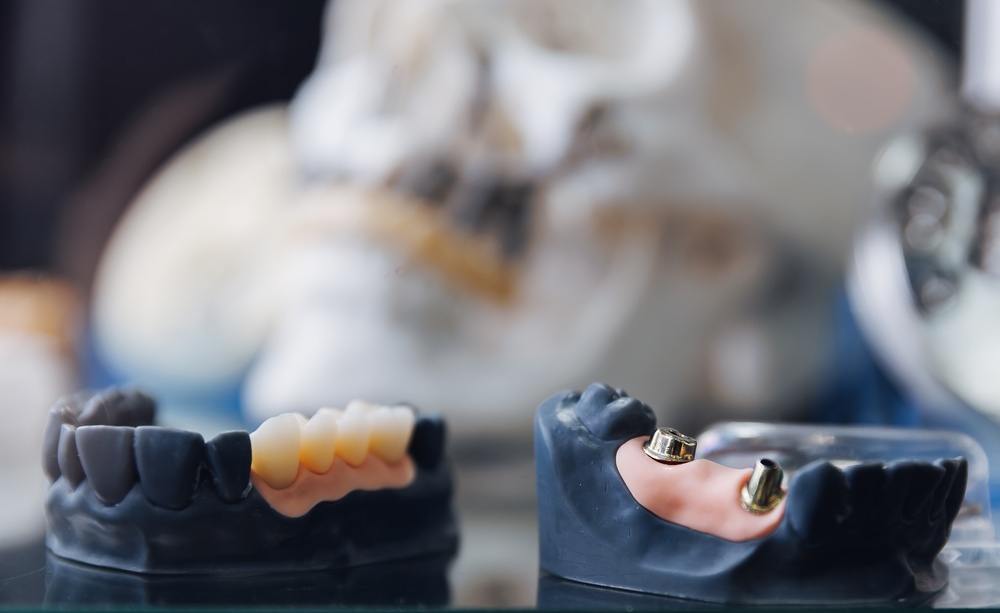
Do you actually need a crown or will a filling do?
A dental restoration like a crown addresses damage that goes beyond what a filling can fix. Dentists use crowns to restore weak, broken, or decayed teeth, and the same restoration can also serve as a cosmetic fix. Some patients choose a crown purely to improve a tooth’s look through cosmetic dentistry, especially when whitening or veneers alone won’t solve the problem. The sections below cover why dentists choose a full-coverage cap, which dental materials are available, and how long a crown typically lasts.
Why Dentists Recommend a Crown
A crown, sometimes still called a dental cap, protects a tooth that a filling alone cannot save. Dentists commonly recommend one for:
- A chipped tooth or a tooth cracked badly enough to need full-coverage protection
- Teeth weakened by large cavities or old, failing dental cement
- Root canal-treated teeth, since the tooth structure often becomes brittle afterward
- Anchoring one end of a dental bridge
- Covering a dental implant post
- Improving the look of a severely discolored tooth
Crown Materials Compared
The dental material a crown is made from affects how it looks and how long it lasts. It also determines where in the dental arch the crown works best.
- Metal crowns, including gold and stainless steel options, resist wear well. They’re often placed on back teeth where chewing forces are highest.
- Porcelain and all-ceramic crowns match the color of natural teeth closely, making them a common choice for front teeth.
- Porcelain fused to metal (PFM) combines a metal base with a porcelain shell for strength and a more natural look.
- Zirconia crowns, made from zirconium dioxide, are strong and tooth-colored.
- Resin or composite crowns cost less but wear down faster. Dentists also use resin to make temporary crowns during production.
How long does a dental crown last?
Most crowns last between five and fifteen years. A five-year survival rate study found comparable outcomes for both PFM and metal crowns. Routine dental cleanings help catch early wear before it shortens that lifespan further. Habits like grinding teeth or chewing ice can shorten that range regardless of the material.
Root Canal-Treated Teeth and Other Restorative Uses
Root canal-treated teeth are among the most common candidates for a crown. Root canal therapy removes infected tissue from inside the tooth, and the remaining structure can become brittle afterward. Crowns also cover teeth with decay too deep for a filling. They can restore teeth broken near the gum line and cap dental implants.

Missing a tooth? Here’s Why a Bridge Might Save Your Smile
A missing tooth does more than change your smile. A dental bridge fills that gap with a false tooth, called a pontic, using crowns placed on the abutment teeth on each side. For patients with more extensive tooth loss, partial dentures or a full denture are also worth discussing with your dentist. Both crowns and dental bridges restore chewing function and speech while stopping neighboring natural teeth from shifting into the gap.
Types of Dental Bridges
There are three main dental bridges, and each handles the abutment teeth differently:
- Traditional bridge: cements crowns to natural abutment teeth on both sides of the gap, which requires permanent enamel removal.
- Cantilever bridge: used when only one natural tooth sits next to the gap. This design places more stress on that single supporting tooth.
- Maryland (resin-bonded) bridge: bonds a metal or porcelain framework to the backs of neighboring teeth. This approach avoids full crowns and preserves more natural tooth enamel.
This resin-bonded design can serve as a permanent or interim option when implants are not possible. Research describes these bridges as minimally invasive, reversible, aesthetic and predictable restorations for replacing a missing tooth. Many patients use one to bridge the wait before a full dental implant procedure becomes an option.
Implant-Supported Bridges vs. Traditional Bridges
Implant-supported bridges anchor to titanium implants in the jawbone rather than natural abutment teeth. This approach avoids enamel removal from neighboring teeth entirely. Implant dentistry also helps slow the bone loss described above, since the implant post provides the stimulation a natural tooth root once did.
[IMAGE PLACEMENT intent=”dental lab technician or CAD/CAM machine crafting a crown” type=”section” avoid=”blood, needles, injections, distressed patient expressions”]
What really happens between your dentist visit and a finished crown?
Getting a crown or dental bridge usually takes more than one visit. The sections below walk through the crowning process itself and how to protect your restoration once it’s in place.
The Crowning Process, Step by Step
- Your dental team reshapes the tooth, takes impressions or digital scans, and selects a matching shade.
- Those records go to a dental laboratory, where a technician builds the restoration. A temporary crown covers the prepared tooth surface in the meantime.
- When the permanent piece returns, your dentist performs a bite check to confirm it sits correctly against opposing teeth.
- Your dentist may apply a dental etch to improve adhesion, then bond the restoration with dental cement.
Caring for Your New Crown or Bridge
Basic dental care habits protect the restoration and the natural teeth around it:
- Brush twice daily with fluoride toothpaste and floss to remove plaque buildup.
- Use floss threaders under a bridge’s pontic, where a regular toothbrush cannot reach.
- Avoid chewing ice or other hard objects that stress the restoration.
- Schedule regular checkups so your dental team can catch early wear before it becomes a bigger problem.
If you’re concerned, bring tooth grinding up with your dentist. Evidence-based protocols often include a night guard as a first step. It spreads grinding force across the whole arch instead of concentrating it on one crown.
CAD/CAM Technology and the Dental Lab Process
Some practices use CAD/CAM dental technology to design and mill a crown in a single appointment. The dentist scans the prepared tooth and designs the crown using software. The file then goes to an in-office milling machine, which carves the restoration from a ceramic block in about an hour. This method skips the external lab step for certain full ceramic crowns, though not every case works with same-day fabrication.
Get Your Crown Dental Question Answered, Schedule a Visit
Choosing between a dental crown and a bridge comes down to your remaining tooth health and bone density. Where the damage sits also plays a role. A crown saves a tooth that’s still there but struggling to function, while a bridge replaces one that’s already gone. Those details vary from patient to patient.
Our team at HB Dental Studio can walk you through the option that best fits your smile. Contact our team today to get your questions answered before you decide.
FAQs
What are dental crowns?
A dental crown is a custom-made cap that fits over a damaged or decayed tooth. It restores the tooth’s shape, strength, and appearance. It covers the entire visible part of the tooth above the gum line. Crowns also top implants and anchor dental bridges on either side of a gap.
What are dental crowns made of?
Crowns are made from metal alloys, porcelain, porcelain fused to metal, zirconia, or composite resin. Metal versions are the most durable, while porcelain and zirconia match tooth color closely. The best material depends on the tooth’s location and how you chew.
How long do dental crowns last?
Most crowns last between five and fifteen years, depending on the material and how well you care for your teeth. Grinding or chewing hard objects can shorten that lifespan. Regular visits let your dentist catch early wear before it turns into a bigger problem.
How much does a dental crown cost?
Cost varies based on the material, the tooth’s location, and whether your dental insurance plan helps cover it. Metal and PFM options are often less expensive than all-ceramic or zirconia choices. Cosmetic add-ons like teeth whitening or porcelain veneers are usually billed separately from restorative work.
Can I get an MRI with dental crowns?
Most crowns are safe during an MRI scan. Metal versions may, in rare cases, compromise the diagnostic value of an MRI. Porcelain, zirconia, and composite versions contain no metal and pose no concern. Tell your dental team about any restorations before the scan.
